Origins53MVCC
1946
A student body shaped by World War II
More than two-thirds of MVCC’s first 53 students were returning veterans.
Read the story MVCCMohawk Valley Community College1946–2026MVCC today
Eighty years of possibility
Since 1946, generations have found their next chapter at MVCC. Celebrate the people, places, and moments that made us—and the Mohawk Valley—who we are.
Explore our 80 years Utica & Rome, New York · 1946–2026Then. Now. Always MVCC.
A borrowed schoolhouse. A student-built radio station. A championship season. A jet that became a classroom.
Our history lives in the extraordinary milestones—and the everyday moments between them. Find a familiar face, revisit a favorite decade, or discover a part of MVCC you never knew.
Remember college lifeThe story keeps growing
Start at the beginning, jump to your years, or follow whatever sparks your curiosity.
A postwar classroom brings veterans and school-leavers together, opening a new path for the Mohawk Valley.
More than two-thirds of MVCC’s first 53 students were returning veterans.
Read the story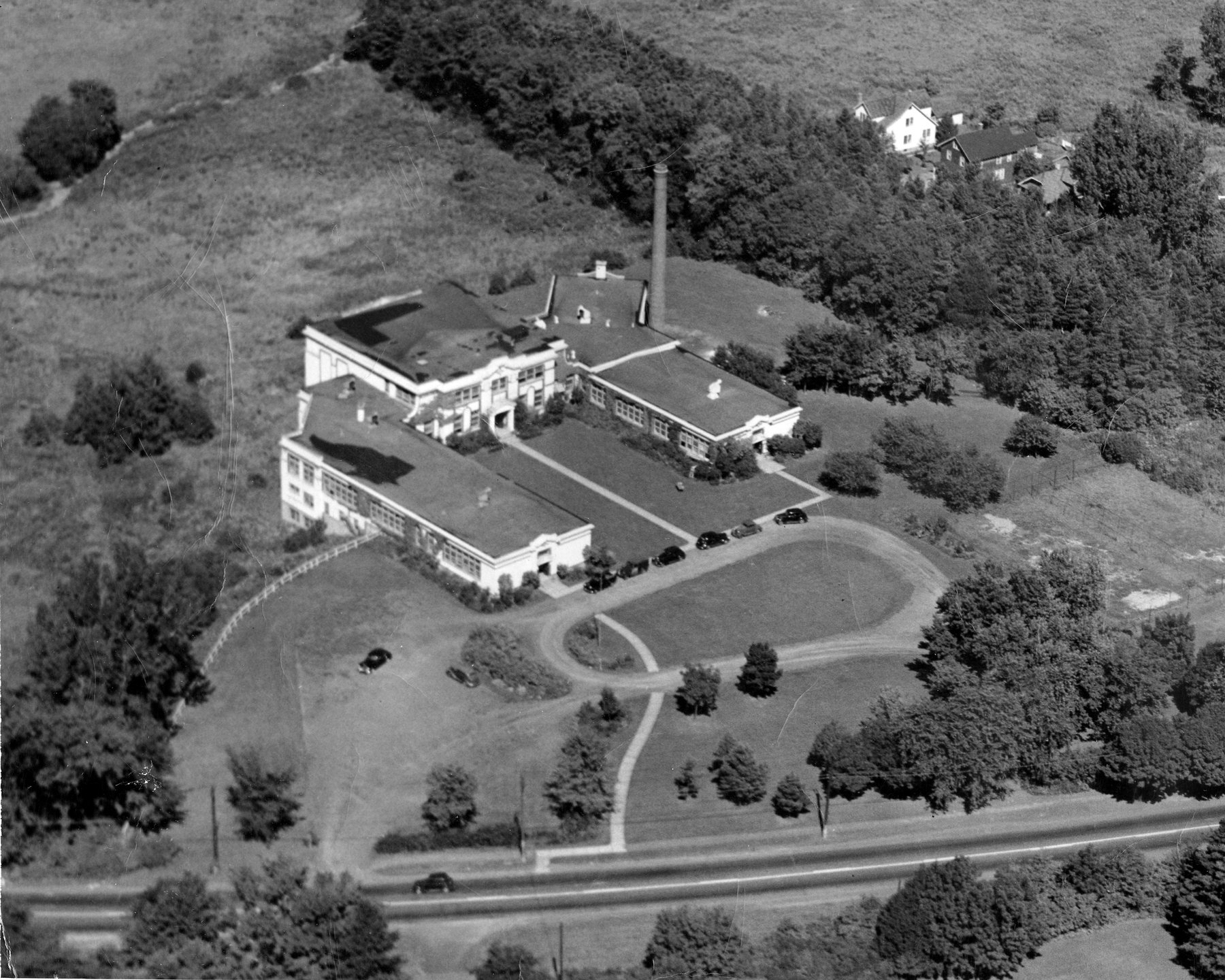
A renovated schoolhouse on Genesee Street in New Hartford became the College’s first home.
Read the storyNew York residents could attend the new Institute without paying tuition in 1946; out-of-state tuition was $300.
Read the storyPaul B.
Read the storyThe New York State Institute of Applied Arts and Sciences at Utica was founded on October 14, 1946.
Read the storyOn October 15, 1946, eleven faculty members welcomed 53 students to the first classes.
Read the story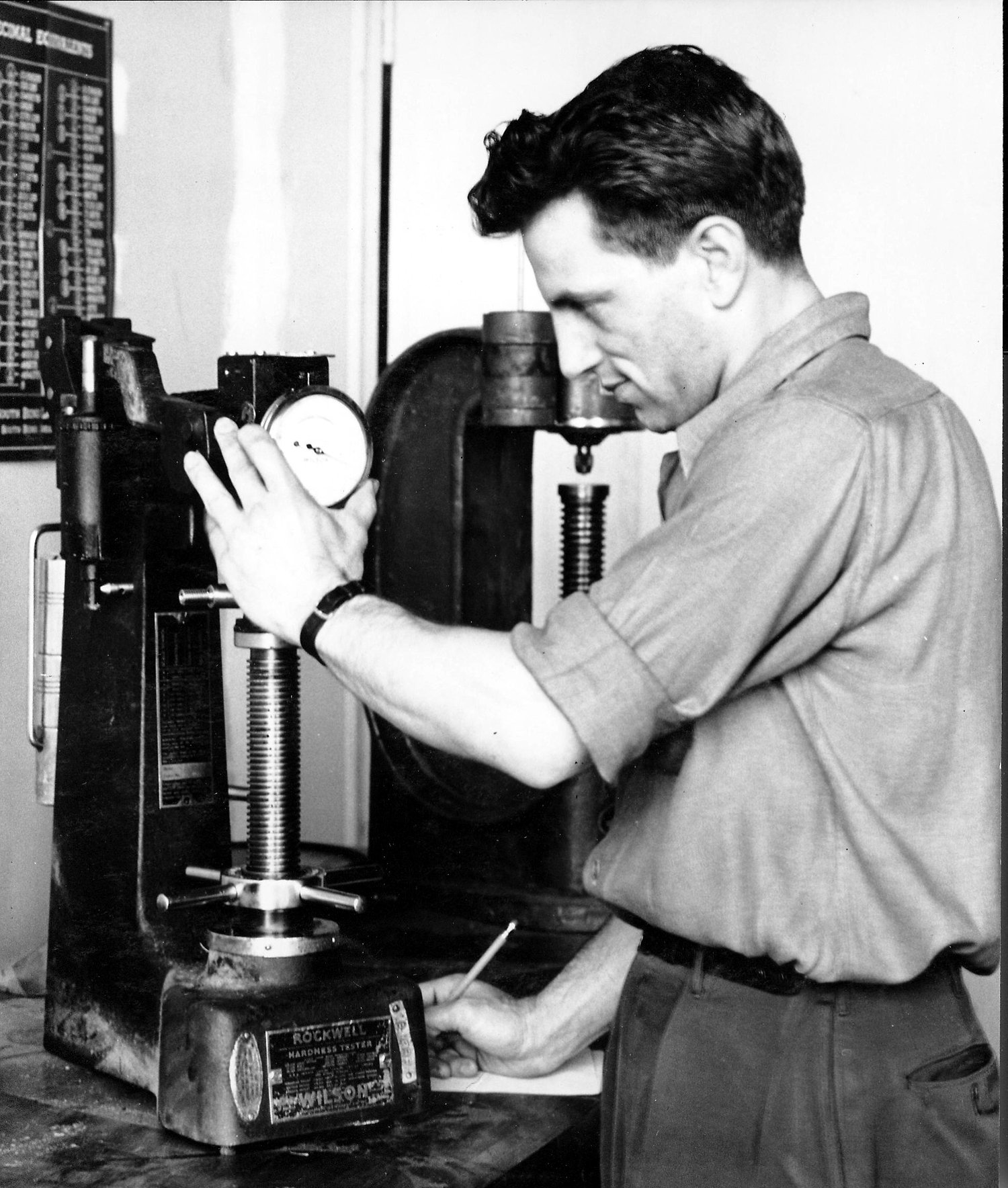
Mechanical Technology began in 1947 with twelve students and one machine-tools laboratory.
Read the story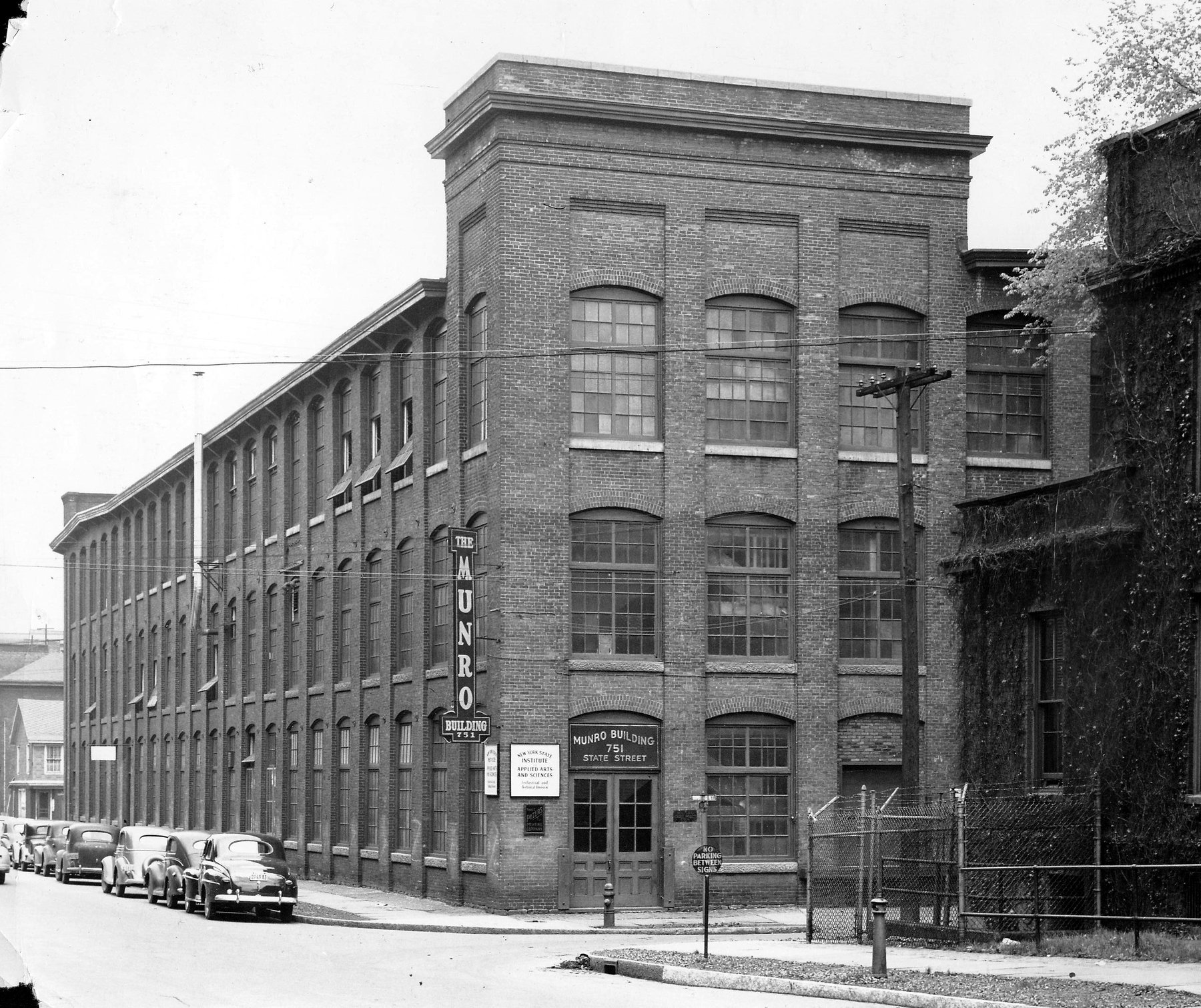
Mechanical and Electrical Technology moved into the Munro Building on State Street in 1947.
Read the story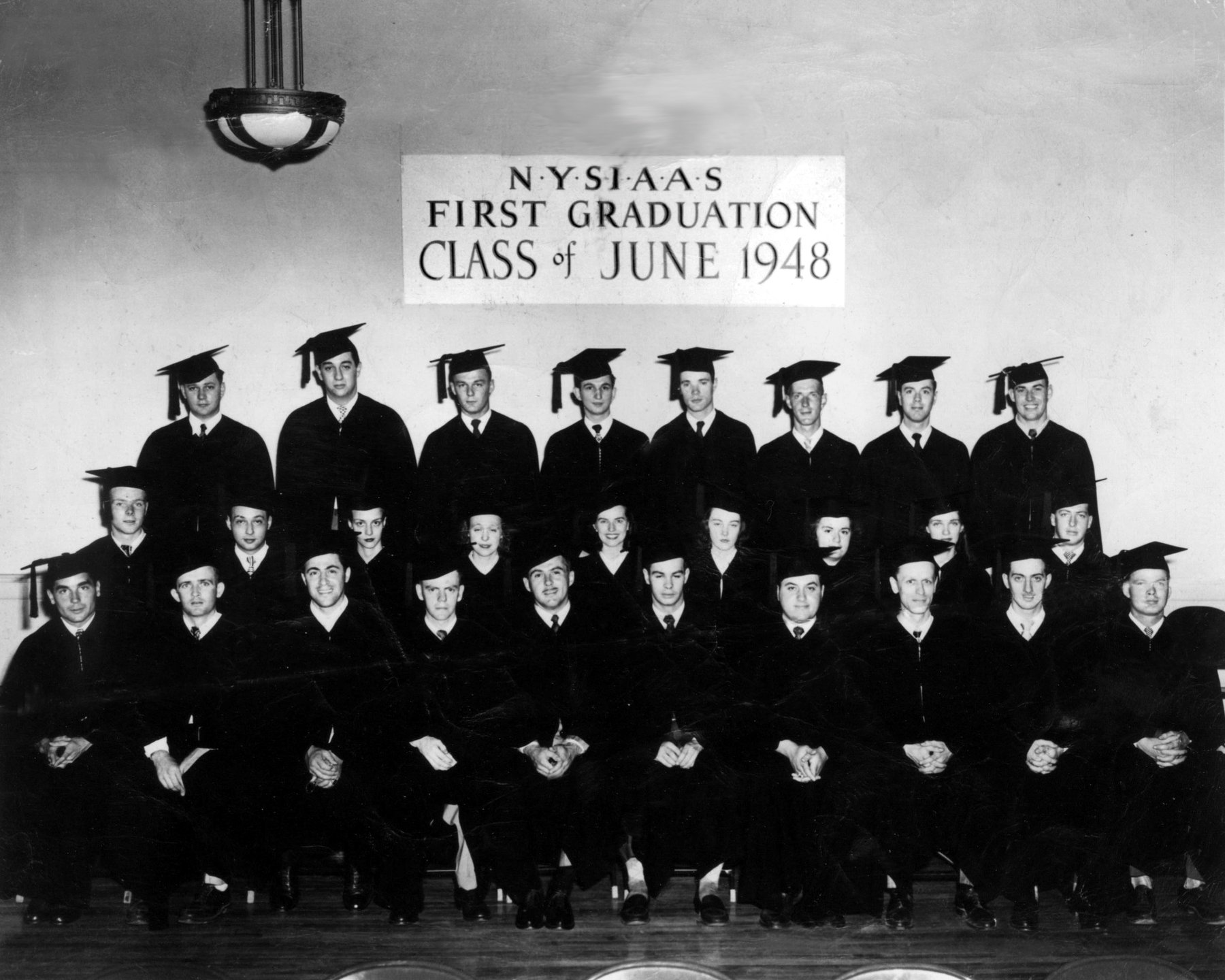
The Institute celebrated 71 graduates in 1948: 32 in June, 31 in September, and eight in December.
Read the storyIn 1948, mechanical, electrical, and textile instruction expanded into the former Utica Steam Cotton Mill.
Read the storyThe moments that stay with you
The clubs we joined. The teams we cheered. The friendships and ideas we carried into the world.
Some of the best parts of college never appeared on a syllabus.
A campus with a vision
In 1960, MVTI moved into a purpose-built campus on Sherman Drive. Architect Edward Durell Stone’s design gave teaching, athletics, and student life a new home.
Step inside the photographs, drawings, and dedication pages that tell the campus story—from the first plans to the spaces students made their own.
From the Edward Durell Stone PapersRooted here. Reaching forward.
From Sherman Drive to Floyd Avenue and Griffiss, MVCC’s story is woven into the places where the Mohawk Valley lives and works.
A former hospital site becomes a campus built for new possibilities.
At Griffiss, a full-size Boeing 727 brings hands-on learning to a new scale.
The people behind the milestones
Students who spoke up. Faculty who opened doors. Neighbors who invested in a future bigger than themselves.
1946 was just the beginning.
To every student, graduate, educator, teammate, and neighbor who helped shape MVCC: this story is yours, too.